How to Pick Dog Daycare That Actually Works
Author:Arooba
Released:November 23, 2025
Looking for dog daycare is exhausting. You're scrolling through websites that all say the same things, trying to figure out which place won't let your dog get hurt or traumatized. I get it. Once you find somewhere decent, though, it becomes just another part of your week.
Safety Isn't Negotiable
I've walked into places that looked great online but had problems everywhere. Cracked floors, fencing with gaps big enough for a terrier to squeeze through, and too many dogs packed into tight spaces. You notice this stuff immediately when you're actually standing there.
Your small dog shouldn't be in the same area as massive Labs that play rough. Separate spaces for different sizes aren't optional; they're basic safety. When you tour a facility, actually look at everything:
● Rubber or padded floors that won't wreck their joints
● Fencing that's solid with no weak spots
● Different zones so staff can separate dogs by size and energy
● Climate control because overheating kills dogs
Ask about emergencies before you need to know. What's their plan if your dog gets injured? Which vet do they use? Can they reach you quickly? Some facilities have this figured out. Others improvise, and you'll know based on how they answer.

The People Matter More Than the Building
Nice equipment means nothing if the staff doesn't know dogs. Good handlers spot problems before they happen. They see tension building between dogs and step in. They know when playful wrestling is about to turn into an actual fight.
Grill them during your visit:
● How many dogs per staff member?
● What happens when play gets aggressive?
● How do you recognize a stressed dog?
● What experience do you actually have?
Vague answers mean they don't have systems in place. Annoyed reactions to questions mean they don't want you asking. Both are reasons to leave.
After three or four visits, handlers should remember your dog's name and quirks. If they're treating every dog the same way, they're not paying attention.
Different Places Run Things Differently
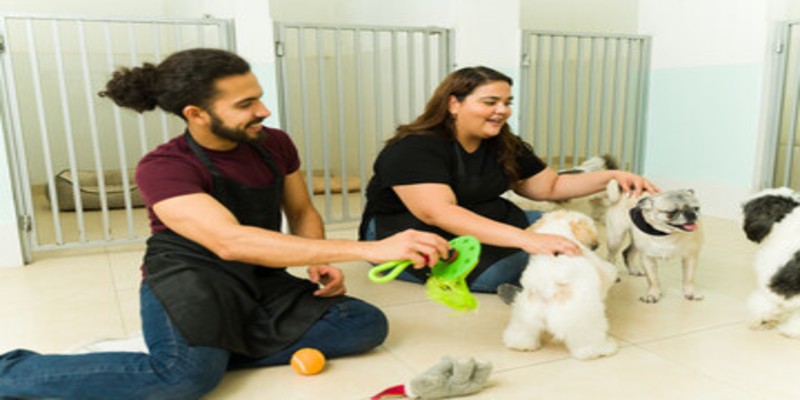
Regular daycare is pretty simple. Your dog shows up, joins a play group, runs around, takes breaks, and then comes home wiped out. Some facilities throw in training or specific activities. Others let dogs do whatever they want within reason.
Match the style to your dog. A border collie needs more structure and activity than a bulldog, which mostly wants to waddle around and nap in the sun.
Socialization classes are separate from open daycare. These are structured sessions teaching dogs how to behave, give polite greetings, share space, and engage in appropriate play. If your dog gets aggressive with other dogs, fears them, or just hasn't been around many, start with classes. Throwing them straight into daycare is asking for problems. Lots of places offer both and will move dogs from classes to regular daycare when they're ready.
What Happens All Day
Drop-off runs from 7 to 9 AM, usually. Staff check your dog over fast, looking for limping, coughing, eye discharge, or anything concerning. Then your dog joins their group.
The schedule breaks down to morning play for an hour or two, quiet rest time, lunch if you pack food, bathroom breaks, afternoon play, then cool-down before pickup.
Nobody wants their dog so hyped at pickup that bedtime becomes impossible.
Staff move dogs between activities so nobody gets overstimulated. Throughout the day they're:
● Watching for bullying or fights starting
● Stopping play that's escalating too much
● Making sure dogs get water and bathroom time
● Looking for stress, sickness, or injuries
● Pulling dogs who need breaks from the group
Actually Choosing a Place
Tour facilities in person during their busy hours. The morning or late afternoon rush shows you how staff handle chaos. You'll see within minutes whether things are under control or a mess.
Watch the whole atmosphere:
● Controlled energy or chaos?
● Are dogs looking happy or anxious?
● Reasonable noise or nonstop barking?
● Clean smell or old urine?
Trust your nose. Some dog smell happens, but strong ammonia or general filth means they're not cleaning properly.
Ask about staff ratios, vaccination requirements, emergency procedures, and what happens if your dog doesn't fit with the group. Places with good protocols answer easily. Places without getting defensive or dodging questions.
Try It Before Committing
Most facilities offer trial half-days. Use them. Your dog might seem excited about daycare in theory, but hate it in reality.
Watch them at pickup. Happy-tired is calm and relaxed. Stressed-exhausted is frazzled and takes forever to settle down. You'll see the difference.
Check their behavior on daycare mornings, too. Excited means they love going. Hiding under furniture means something's wrong. Not all dogs thrive in groups, and that's completely fine. Some prefer being home.
When Daycare Isn't Working
Regular scratches, increased aggression at home, refusing food after daycare, or seeming depressed, these signal the environment doesn't suit your dog. Doesn't matter how nice the facility is. Some dogs just aren't group dogs.
Watch for these problems:
● Frequent cuts, scratches, or limping
● More reactive or aggressive behavior at home
● Won't eat after daycare days
● Acting withdrawn or anxious
● Constantly getting sick
Dogs in groups catch kennel cough sometimes or pick up stomach bugs. That's normal. Getting sick every other week isn't. That means either terrible hygiene or too much stress wrecking their immune system.
Making It Actually Work Long-Term
Good facilities update you during the day. Photos, videos, quick texts. You shouldn't only hear from them when there's a problem. Some have webcams so you can check in whenever.
Finding decent daycare takes real effort up front. You're researching facilities, scheduling multiple tours, asking annoying questions, and doing trial runs. But when
you find the right match, it becomes routine. Your dog gets excited pulling into the parking lot instead of being stressed. You stop worrying about them being home alone, tearing up your house.
Start by mapping places near you, booking tours, and listening to your gut. Something feels off during a visit? It probably is. The right facility clicks. Your dog's happy, the staff remembers them, and you feel good about leaving them there.
That's what you're looking for, not just the closest or cheapest option that happens to have an opening next week.
Related Posts

7 Simple Ways to Help Your Dog Stay Cool in Hot Weather

Cat Purring Meaning: Not Always Happiness, Here's Why

Why Dogs Get Hot Spots and What Pet Owners Should Know
The Best Automatic Litter Boxes for Multi-Cat Households in 2026
Wearable Tech for Pets: How It Helps Monitor Fitness and Wellness